

MenuMENU
SearchSEARCH

Automatic Brakes Cut Crashes, Studies Say

The systems also reduce injuries.

November 15, 2022
Automatic Brakes Cut Crashes, Studies Say

One study also determined that AEB performs well in all weather, road and lighting conditions.

Credit:

IMAGE: Getty Images/Chesky_W

2 min to read


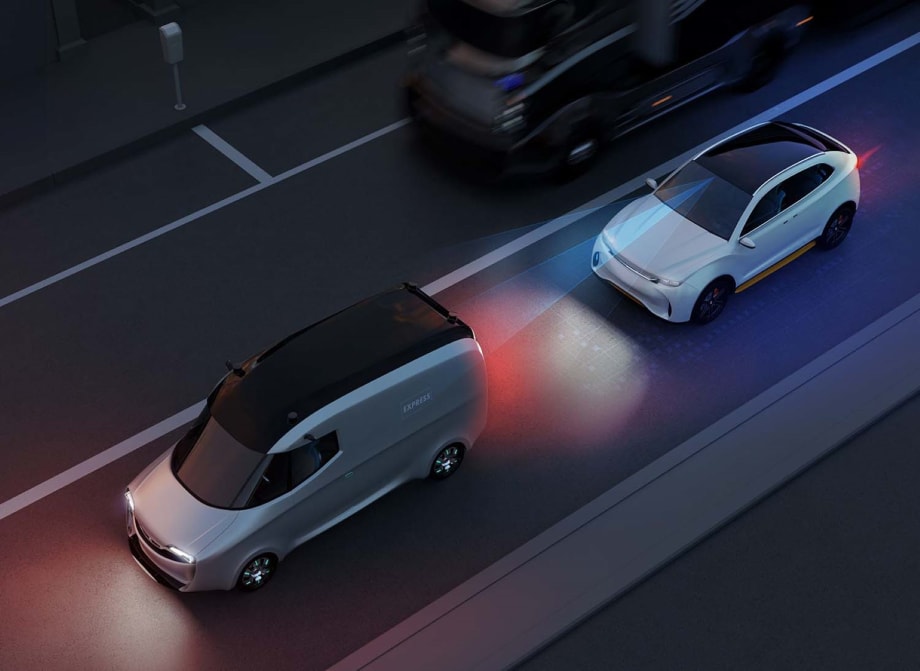
Automatic emergency braking reduces crashes, according to two new studies.

The first study of the Partnership for Analytics Research for Traffic Safety, or PARTS, a partnership of carmakers and the National Highway Traffic Safety Administration, found that vehicles with such braking systems and with forward collision warning resulted in 49% fewer front-to-rear crashes compared to vehicles without either system. Rear crashes with injuries were reduced by 53%.

“These emerging technologies can substantially reduce the number of crashes and improve safety outcomes,” said Tim Czapp, industry co-chairman of the PARTS Governance Board and a senior manager at Stellantis. “Demonstrating industry’s proactive commitment, AEB is approaching standard deployment and with real-world effectiveness, is helping mitigate injuries and lives lost.”

Meanwhile, a study by the Insurance Institute for Highway Safety shows automatic emergency braking cuts rear-end crash rates for pickup trucks by 43%. The finding was based on crashes reported to police in 25 states from 2017 to 2020, calculating the rate pickups rear-ended other vehicles, per registered vehicle year.

But pickups are less likely to be equipped with AEB than other vehicles, IIHS found.

“These numbers confirm that AEB is reducing crashes for pickups, just as it is for cars , SUVs and large trucks,” said study author Jessica Cicchino, IIHS vice president of research.

In the PARTS study, carmakers supplied data for about 47 million vehicles of 2015 through 2020 model years. The NHTSA also furnished data for more than 12 million crashes reported to police in 13 states.

The study also determined that AEB performs well in all weather, road and lighting conditions.

Automatic braking can stop a vehicle to avoid an imminent wreck or slow its speed to reduce the severity of a crash.

Yet an AAA study released earlier this year found that AEB doesn’t always work as it should and that its testing requirements need updating for more realistic speeds and scenarios.

READ MORE: Crash Tests Show Automatic Braking Needs Tweaks

More F&I

TrainingDecember 10, 2025

Accountable Is as Accountable Does

Auto dealerships work better when all staffers own their duties.

Read More →
StoneEagle logo beside a headshot of Cindy Allen, CEO, on a pink background with a stylized upward-trending chart.
Industryby StaffDecember 5, 2025

EV Surge Shows AI Steadied Softer Q3

StoneEagleData reveals the gross reality behind the rise in EV leasing and the steady role F&I offices played.

Read More →
F&IDecember 3, 2025

The No. 1 Enemy of F&I Success

Instead of succumbing to it, keep your skills and knowledge sharp.

Read More →
Ad Loading...
Two people signing auto insurance paperwork
Industryby Lauren LawrenceNovember 26, 2025

Auto Insurance Rates Dip

Insurers are shifting their focus from raising rates to customer satisfaction.

Read More →
F&Iby Hannah MitchellNovember 11, 2025

Autos With the Lowest Insurance Costs

Ranking intuitive in many ways, but there are many factors

Read More →
F&INovember 10, 2025

Singing a Gospel Song Backward

Crime and punishment in auto retail and how to avoid them

Read More →
Ad Loading...
Industryby Hannah MitchellNovember 3, 2025

Q3 Auto Loans Reveal Stress

Data reflect growing finance activity on the extreme ends of credit risk scale

Read More →
IndustryOctober 30, 2025

The Code Beneath the Hood

Help dealer-clients’ F&I managers convince consumers VSCs are no longer nice-to-haves

Read More →
F&Iby Hannah MitchellOctober 29, 2025

The It Factor in F&I

What this valuable trait looks like in the day-to-day work of the sector

Read More →
Ad Loading...
F&IOctober 22, 2025

Where’s Your Moral Compass?

Conversations with wayward finance managers prove old F&I habits die hard, including those that qualify as bank fraud.

Read More →