


Heightened demand and limited new vehicle inventory has pushed demand for used cars, which in turn has driven up the prices these vehicles fetch. But it’s also impacting the rate their values are depreciating, according to recent industry studies.
TrueCar examined used-car listings for 2016 to 2020 model-year vehicles from September their average advertised prices on the TrueCar platform. The company then compared those numbers to average advertised prices for 2015 to 2019 model-year used vehicles in September 2020. On average, the price of a used vehicle in this respective group was up 31%.
Specifical model year-over-year price increases were as follows:
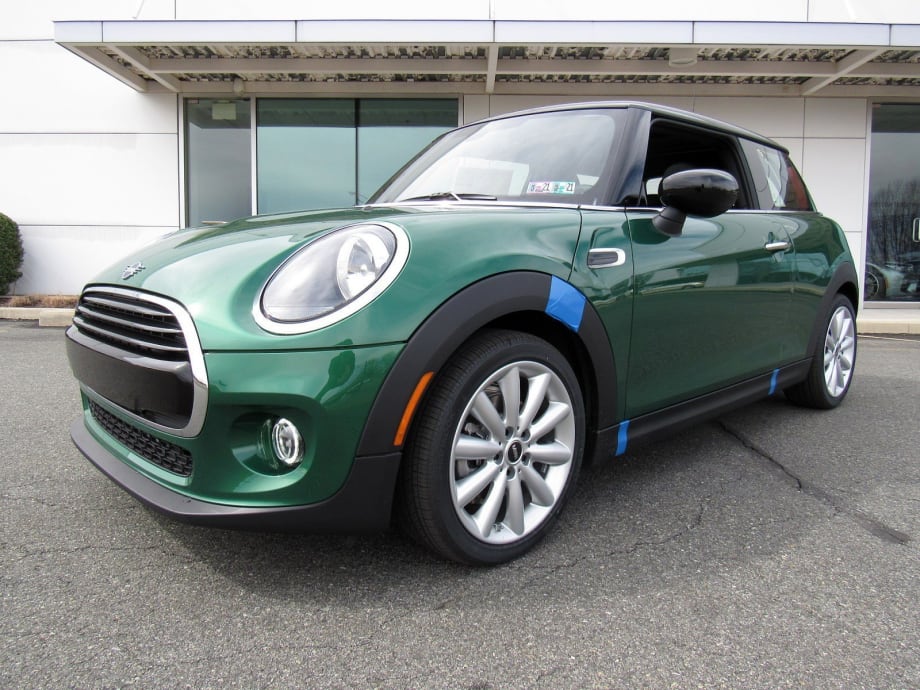
Mini Hardtop up 198%
Volvo V60 up 88% increase
Ford Passenger Wagon up 79%
Chevrolet Spark up 61%)
Ford Cargo Van up 45%
Nissan LEAF up 44%
GMC Savana Cargo Van up 42%
VW Beetle up 41%
Chevrolet Express Cargo Van up 37%
Mitsubishi Mirage up 36%
TrueCar also examined prices of the 10 used-vehicle models with the largest declines/lowest increase in listing price during September.
The company found the Kia Soul was down 10% and the Honda Clarity was down 2%. Volvo XC40 and GMC Acadia were flat year-over-year, while the Genesis G70 and the Infiniti QX70 were up 2%. The BMW X2 showed a 3% price increase, with the Kia Niro up 5%. The Hyundai Kona and Honda Passport both showed 7% used-car price increases.
TrueCar suggests several factors contributed to the used-car price escalation.
The global semiconductor chip shortage added to the supply chain disruptions from a year ago have been coupled with a global chip shortage have hampered new-vehicle production. With fewer new car options available, consumers are turning to used cars at a higher-than-normal rate, TrueCar said.
A decline in new-car sales lowers the number of trade-ins, which downwardly impacts used-car supply. This lowers pre-owned supply and when coupled with higher demand drives up prices, the company explained.
This higher used-car price dynamic also effects depreciation rates, finds a study from iSeeCars.
In 2020, the average 5-year depreciation rate hit 49.1%. Depreciation has slowed to 40.1% this year, according to iSeeCars.
And yet there exists some discrepancies among individual models. In its analysis, iSeeCars shares 10 vehicles that have the lowest 5-year depreciation rates, as well as 10 models with the highest rates.
The Jeep Wrangler had the lowest average 5-year depreciation rate at 9.2%, followed by the Jeep Wrangler Unlimited at 10.5%. Coming in third on the list of low depreciation rates was the Porsche 911 (at 12.8%), one of five sports cars to crack the top 10. The Ford Mustang was sixth (21%), followed by the Chevrolet Corvette (22.7%), Chevrolet Camaro (23.6%) and the Dodge Challenger (24.4%), respectively.
On the opposite end of the spectrum, two electric vehicles — the Nissan LEAF (65.1%) and the BMW i3 (63.1%) — had the highest 5-year depreciation rates, found iSeeCars. These vehicles become quickly outdated due to rapid advancements in range and better life. Government incentives like the $7,500 federal tax credit also play a role in the LEAF’s steep depreciation, the company finds.
Coming in third was the BMW 7 Series (61.5%), one of five luxury sedans on the list of highest depreciating vehicles. The Maserati Ghibli was fourth (61.3%), the Jaguar XF came in sixth (59.5%) the BMW 5 Series was No. 7 at 59.1% depreciation and the Audi A6 was No. 8, with 58.2% depreciation. In 10th was the Volvo S60 (57.3%).
Luxury buyers like to own the version of their preferred model, but that status fades quickly after a luxury vehicle drives off the lot, drastically reducing these models’ value on the secondary market. Sedan popularity has also declined contributing to a decline in interest among used-car shoppers.


