Toyota Motor Corp. on Wednesday accelerated plans to introduce its first hydrogen-powered car, saying it now would begin selling a sedan in less than a year at a price of about $70,000, reported The Wall Street Journal.
Toyota had previously said it would roll out the car "around 2015" at a price of up to $100,000. On Wednesday, the auto maker said it would begin sales in Japan by March 2015 as the Japanese government seeks to boost the economy through the development of hydrogen fuel-cell technology.
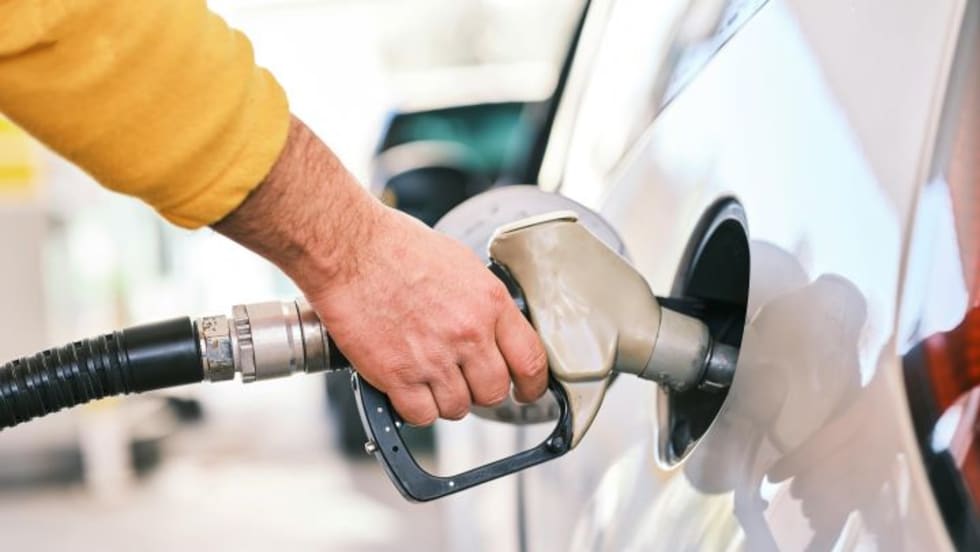
While a number of auto makers are developing fuel-cell cars, Toyota has been one of the foremost champions of the technology as a way to reduce harmful greenhouse-gas emissions. Unlike battery-powered electric vehicles, which can require a lengthy recharge, fuel-cell cars can be refueled in minutes—assuming drivers can find one of the handful of hydrogen stations that are currently in operation.
Honda Motor Co. has said it plans to begin selling a fuel-cell car next year. Hyundai Motor Co. of South Korea this month began limited sales of a hydrogen-powered sport-utility vehicle in California.
Toyota executives acknowledge that significant hurdles need to be cleared before fuel-cell vehicles become a viable option for mass-market consumers.
For now, there are only a handful of refueling stations, in places like Japan and California. But Toyota, the world's largest auto maker by volume, hopes that by making a strong statement of support for the fledgling technology it can help stimulate development.
Toyota and rival makers of gasoline-powered vehicles also are under pressure to meet regulatory demands in California and other markets to sell zero-emission cars, and their battery-electric cars have had minimal sales. Fuel-cell vehicles will help Toyota earn credits under California and U.S. regulations that will allow the company to sell fuel-hungry sport-utility vehicles and large cars without penalties.
"We want to demonstrate how serious we are," said Mitsuhisa Kato, a Toyota executive vice president, at a news conference here on Wednesday.
The company, which displayed a concept version of its fuel-cell vehicle, called FCV, at the Tokyo Motor Show last year, showed what it described as the finished exterior design on Wednesday. The bright blue car sported two large front grilles, which let in air that reacts with the hydrogen in the fuel cell to produce water and energy to power the car.
At $70,000, the FCV would cost significantly more than some battery-powered electric cars or hybrid electric-gasoline fueled vehicles, though it would start at about the $71,000 price of an entry-level battery-powered Tesla Model S.
On Tuesday, the government of Prime Minister Shinzo Abe announced plans to promote fuel-cell technology as part of its strategy for economic growth, saying it would provide subsidies for the sale of the cars and for the development of hydrogen fueling stations.
The government hasn't announced the size of the subsidies, and Mr. Kato said he doesn't know yet either. Japan currently provides about $300 million a year in subsidies for vehicles powered by alternative fuels, which can shave around $10,000 off the price of a $30,000 electric vehicle.
A proportionally comparable amount would bring the price of Toyota's FCV down to less than $50,000.
Such subsidies can shift pricing "from an extremely expensive vehicle to one that somewhat resembles a mass-production vehicle,'' said Kurt Sanger, an analyst at Deutsche Bank. "But even at that price range, the user of a new engine technology with limited refueling infrastructure is not your next-door neighbor."
To try to speed up the introduction of fuel-cell cars, the Japanese government has pledged about $70 million in subsidies for the installation of 100 hydrogen refueling stations across Japan by the end of next year. California has a similar subsidy program to build the stations.
Without easier access to hydrogen, consumers are unlikely to buy such vehicles, officials acknowledge. But knowing that the cars are coming could create support for building the refueling stations, they add.
"It's not a question of the chicken or the egg first," said Chihiro Tobe, director of the hydrogen and fuel-cell promotion office of the Ministry of Economy, Trade and Industry. "They both have to move in tandem."