


Electric-vehicle charging stations with more than one voltage option are key to mass adoption, a new report contends.
What it terms “dual-voltage” capability has attracted a mass of more than 30,000 patent applications, says researcher GlobalData.
 MENU
MENU SEARCH
The capability would go a long way in reassuring hesitant mass-market consumers to switch.
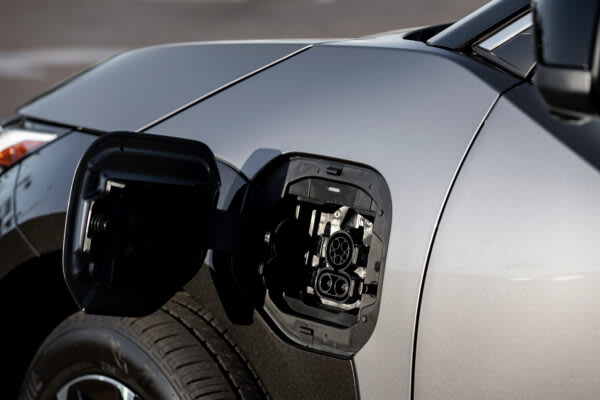
The Toyota bZ4X supports both level one and level two charging.
Toyota
Electric-vehicle charging stations with more than one voltage option are key to mass adoption, a new report contends.
What it terms “dual-voltage” capability has attracted a mass of more than 30,000 patent applications, says researcher GlobalData.
The data analysis provider says that the technology, along with battery discharge prediction, is essential in persuading the average automotive consumer to switch to electric.
Various automakers have adopted one charging standard or another for their lineups, some opting for Tesla’s North American Charging Standard, others sticking with the Combined Charging System.
But GlobalData considers dual-voltage technology “crucial” in the transition to EVs. That means charging stations that support multiple charging standards and EVs with more than one charging cable. The demand for such solutions attracts new innovations each year, it said, 44 new companies joining the mix last year.
“This ease of use alleviates range anxiety for drivers,” said GlobalData Senior Analyst of Disruptive Tech Rahul Kumar Singh in a press release on the EV report, which highlighted a few recent innovations in the space:
Toyota’s debut this year of the all-electric SUV bZ4X, which has levels one and two charging capability, after the Japanese automaker pursued a slower EV ramp-up than many brands
Spain-based company Circontrol’s introduction of a dual-charging station for urban and interurban areas
Brazil-based electrical technology maker WEG’s new charging station design that accommodates a range of voltages.
“As this technology advances, it faces challenges like ensuring compatibility with different vehicle models and handling the increased demand for power grids,” Singh said. “Nevertheless, the steady rise in patent activity and ongoing technological progress in this field point to a promising future.”
DIG DEEPER: Report Urges Utilities, Regulators to Prep for EV Future
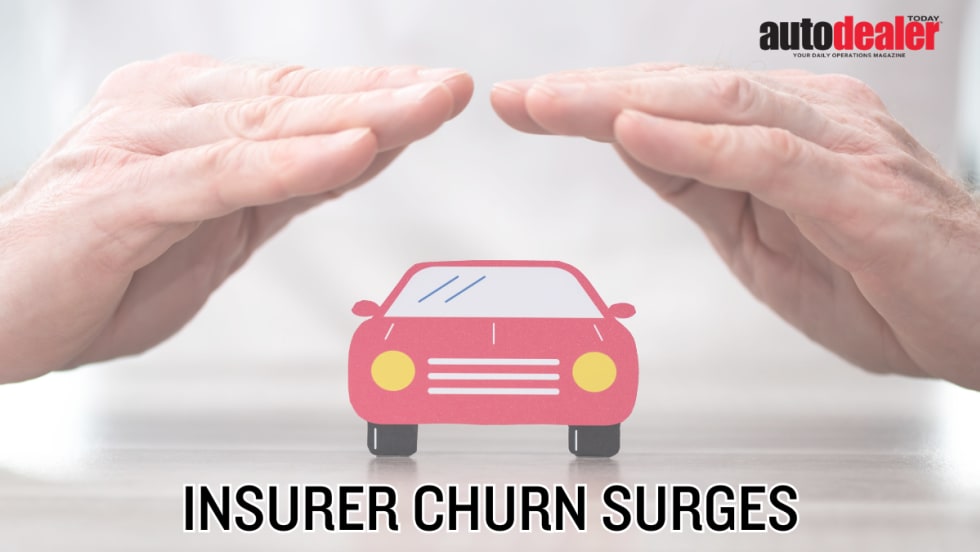
Over half of insurance holders ages 18 to 29 reported to be 'somewhat' likely to change providers in the next 90 days, according to CivicScience, which found that interest was lower among older age groups.
Read More →
Total visits to dealer websites from generative artificial intelligence platforms grew more than 15 times year-over-year, signaling a shift in how many consumers shop for cars online.
Read More →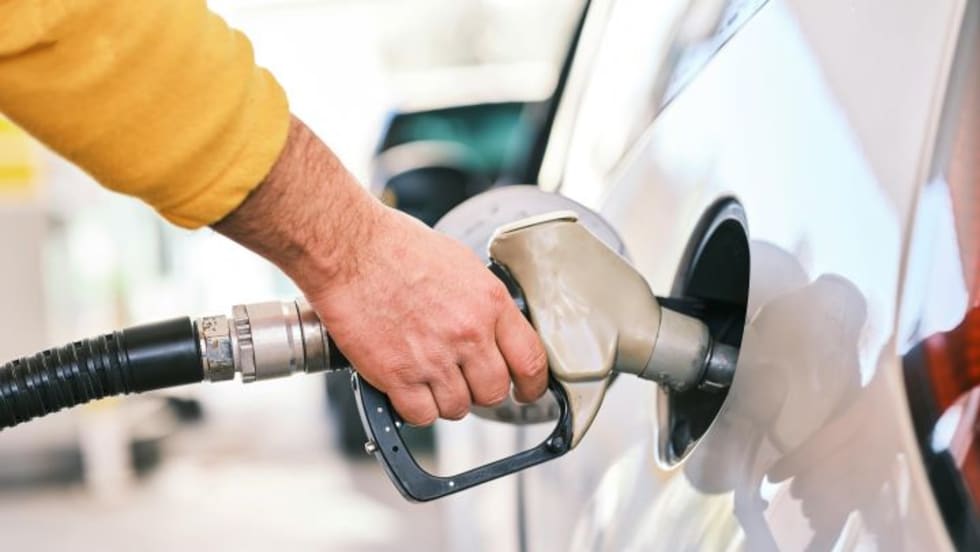
In the U.S., Honda has the most efficient gas-electrified combo lineup while Tesla beats all automakers in annual EPA ranking as brands built their alternative-fuel offerings.
Read More →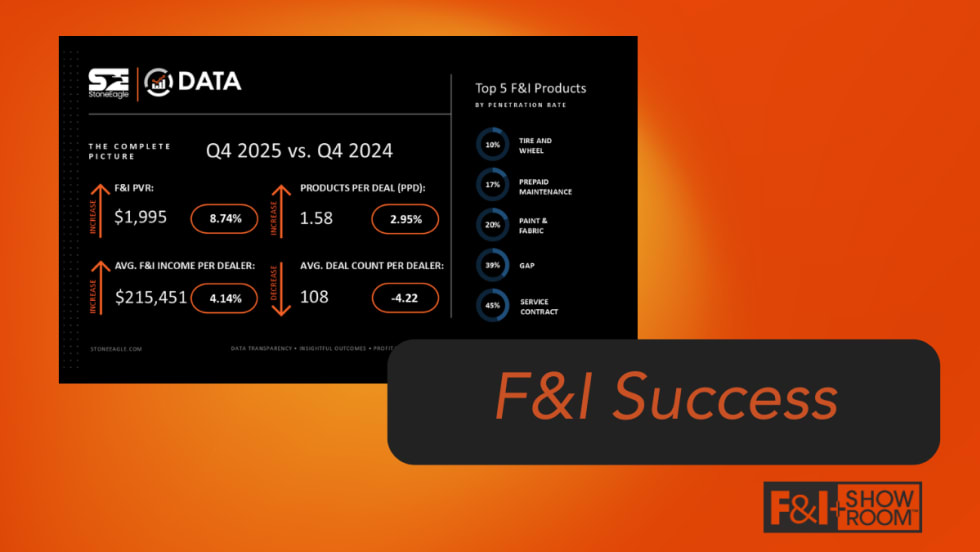
Deal volume ebbed and flowed throughout 2025, but product performance remained steady, according to automotive technology and data intelligence solutions provider StoneEagle.
Read More →
Americans’ view of present business conditions, the labor market and family finances, though, are still in the dumps, and if they plan to buy cars, many target used units.
Read More →
Auto loan originations rose over 6% year-over-year in the third quarter of 2025, but TransUnion predicts a slight decline in auto loan growth this year, making it an outlier in the company's overall lending forecast.
Read More →
A new top 10 list ranks the least expensive for average full insurance coverage on a clean driving record and high driver credit scores.
Read More →
Rob Mancuso – president of Mancuso Automotive – will present a Keynote at the 2026 event.
Read More →
2025 Sedgwick data indicate that the number of vehicles affected fell to its lowest point in more than a decade.
Read More →
Edmunds’ editorial team tested 300-plus vehicles to help determine the Top Rated Awards for 2026, and one brand stood out with multiple rankings, including Best of the Best.
Read More →