U.S. October new-vehicle sales are unsurprisingly off due to the end of federal electric-vehicle tax incentives.
J.D. Power forecasts about 1.1 million units in retail sales, down 6% year-over-year, largely due to the EV sales bonanza in September, when EV sales made up about 13% of all new-vehicle transactions, a record and up from about 9% a year earlier.
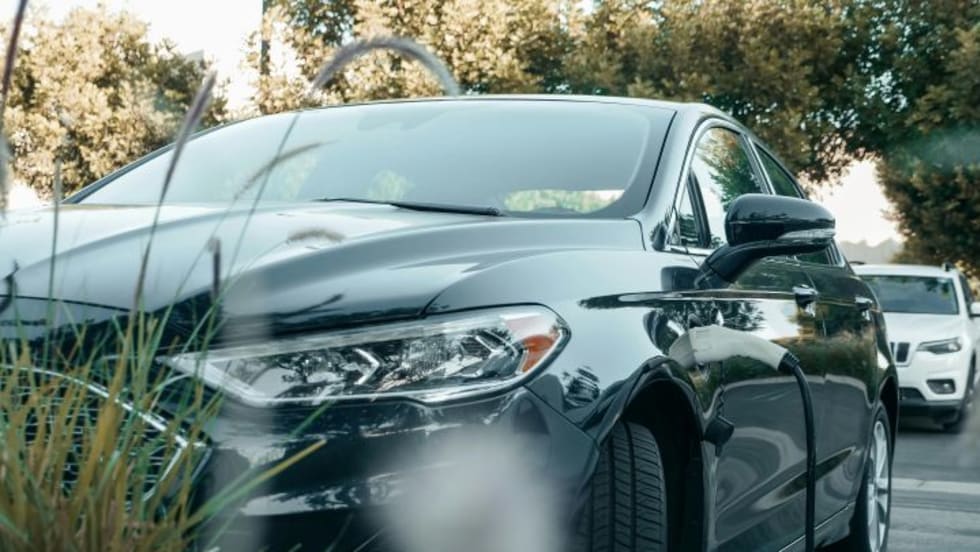
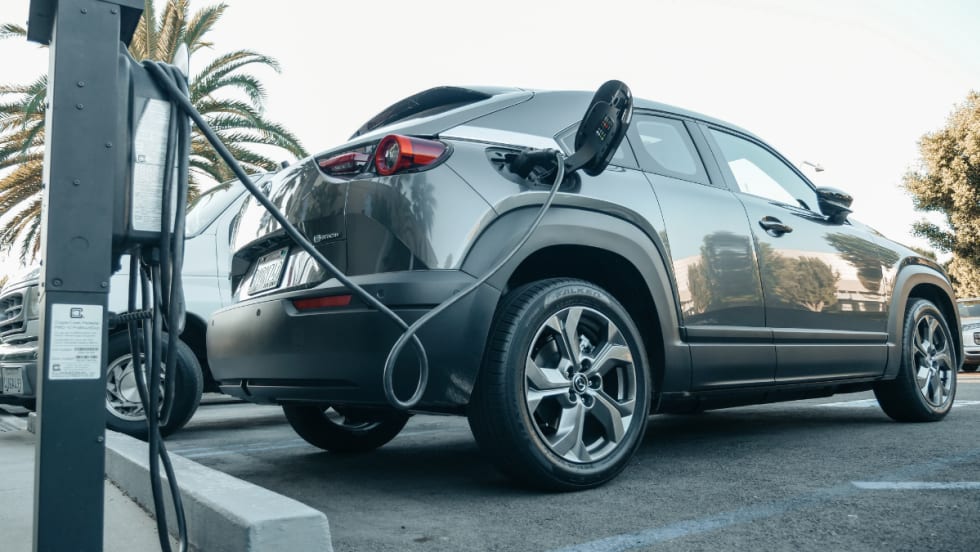
October’s EV sales are down to 5% of all new-car deliveries, J.D. Power forecasts, and the dip represents 83% of the overall forecasted sales pace decline from last month. It pegs the seasonally adjusted annualized rate at 15.1 million units, down 1.1 million year-over-year.
The hit from contracted EV deliveries, though large, could have been worse if not for industry strategy, although affordability also contributed to the overall sales decline, J.D. Power says.
“Actions by multiple manufacturers to reduce EV prices and increase discounts to offset the loss of the federal credit are helping to maintain EV affordability, thereby preventing an even larger decline in EV sales,” said the data provider’s data and analytics division president, Thomas King, in the forecast. “For non-EVs, elevated transaction prices and restrained incentives are also contributing to the
softer sales pace.”
New-vehicle monthly payments hit a record $758 this month, and 84-month loan terms make up an estimated 12% of financed sales, according to the forecast. In addition, the average transaction price will be up an estimated 2% to $46,057 as average per-vehicle manufacturer incentives have fallen 25% this month, the latter largely due to the EV sales decline.
To help fill the gap from the expired tax credits, average EV discounts are up 20% year-over-year to $13,161, J.D. Power estimates. Meanwhile, non-EV discounts are down 10% to $2,423.
The forecasts points to bright spots for sales volume after the EV shopping spree, including a lower average new-vehicle loan interest rate of 6.56%, down 14 basis points year-over-year, and 2% higher used-vehicle prices making for better trade-in values toward new-vehicle purchases.
Dealer profit per unit, meanwhile, is up 4% year-over-year, also a function of reduced EV sales because they generally translate to lower profit, J.D. Power says.
As the holiday season starts next month, King said leases will be a complicating factor.
“November traditionally marks the beginning of the holiday sales event season, a period that typically features elevated manufacturer-backed promotional activity, including enhanced leases. However, the number of leases set to expire in November and December are projected to be nearly 15% lower than the
same period in 2024 and 48% lower than in 2023.”