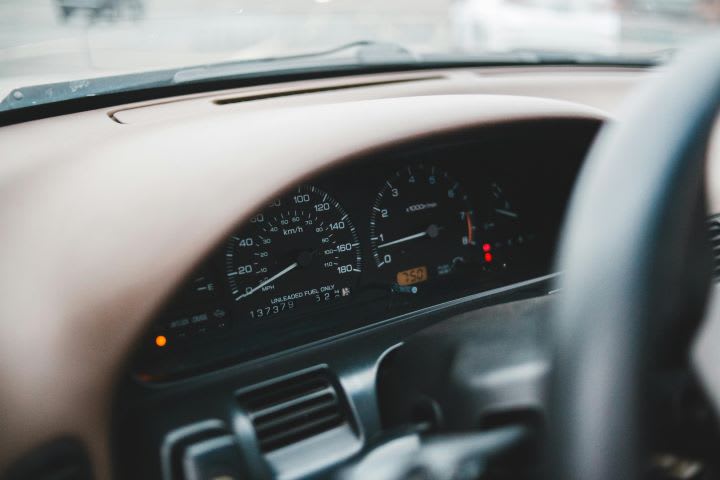
Odometer rollbacks are on the rise in the U.S., new data show, amid high vehicle prices and sales competition combined with the increased ease of manipulating digital instruments with cheap equipment.
The vehicle data provider, a division of S&P Global Mobility, identified about 2.5 million vehicles on American roads whose odometers may have been rolled back to give the appearance of having much lower mileage than they’ve actually been driven.
That’s a 14% jump from last year compared to a 4% year-over-year increase in 2024.
To arrive at its estimate, the company analyzed odometer readings recorded by dealership service drives, independent repair shops, vehicle inspectors and others, recordings that are more abundant compared to decades past, providing more opportunity to identify discrepancies, Carfax said.
At least two mileage recordings are needed for comparison purposes to determine whether an instrument has been tampered with.
Rollbacks obviously tend to be expensive for unsuspecting consumers. The average value difference among vehicles suspected of having rolled-back odometers this year is $3,300, meaning their actual value would have been that much lower with their true mileage reflected.
“The unsuspecting driver is not only paying more for a vehicle with many more miles than expected, but may also incur additional costs for unexpected repairs and potential safety risks,” Carfax said in its report.
Some states saw bigger rollback spikes than others, Montana leading increases with a 33% jump, followed by Tennessee, up 30%, Arkansas, up 28%, Oklahoma, up 25%, Kansas, up 24%, New Jersey, up 21%, and Florida, up 20%. California, the country’s most populous state, leads by volume at roughly 532,000 rollbacks.
HIGH-MILEAGE: The 250K-Mile Club