


Consumer demand for electric vehicles is being tempered by anti-green Trump administration policies, but the question is by how much.
Two recent surveys provide significantly different readings on the EV demand pulse.
 MENU
MENU SEARCH
Surveys find varying degrees of interest amid incentives pullback.
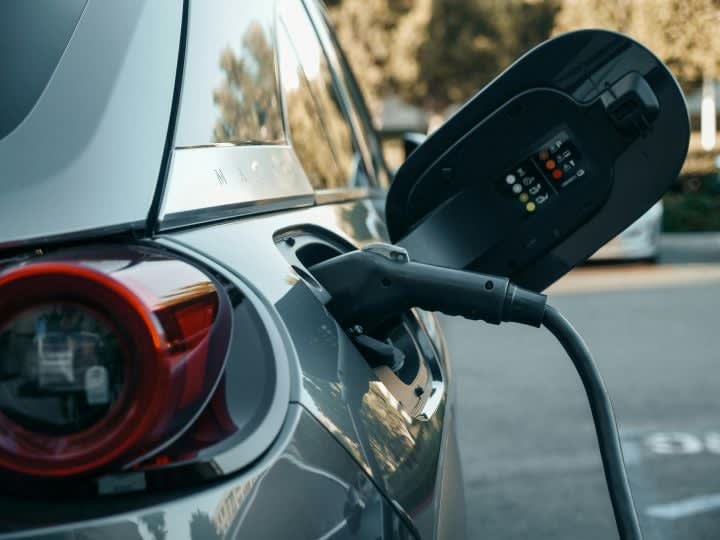
The two surveys found different levels of consumer concern about public charger availability.
Pexels/Kindel Media
Consumer demand for electric vehicles is being tempered by anti-green Trump administration policies, but the question is by how much.
Two recent surveys provide significantly different readings on the EV demand pulse.
While a J.D. Power poll found 24% of consumers in the market for a new car are very likely to consider a pure EV, a AAA survey found just 16% are very likely or likely to consider EVs.
Respondents to AAA’s poll who are unlikely or very unlikely to go electric jumped from 51% to 63%, its highest level in three years.
The disparity could be in part because AAA conducted its survey during one week in March shortly after the initial U.S. trade tariffs were announced, whereas J.D. Power fielded its poll during the must wider period of January through April.
The two surveys also found slightly different values consumers are placing on adoption obstacles. J.D. Power’s saw purchase price and ownership cost concerns fall as public charging concerns stayed at the top, while AAA’s found cost considerations to be the top two barriers.
Shifting sentiments likely result from federal policy moving from pro-electric under the Joe Biden administration to the opposite under President Donald Trump, whose administration has pulled funding to states for charger development and is pursuing the end of EV purchase tax credits and manufacturing incentives.
Many automakers had already been refocusing on more hybrid vehicle production before the fall elections, though they haven’t abandoned electric. Ford, for example, recently told the Detroit Free Press that it plans to keep developing its EV business.
Still, EV-dampening moves in the U.S. capital appear to be sewing uncertainty among consumers. AAA found that those believing most U.S. cars will be electric in the coming 10 years has fallen from 40% in 2022 to 23% this year. And those interested in going electric to secure a federal tax credit fell from 60% last year to 39%.
DIG DEEPER: EV Apps Valued But Often Disappointing
Study finds that adopters are true believers and that their satisfaction with the vehicles is growing, including for public charger experience, despite pullback of federal incentives.
Read More →
Electric-vehicle inventory dropped in December, according to S&P Global, but the hybrid market saw about a 19% year-over-year increase in supply despite being down from November.
Read More →
The year starts with declined expectations for economic conditions and plans to make big purchases. Used cars, though, are among the top big-ticket categories under consideration.
Read More →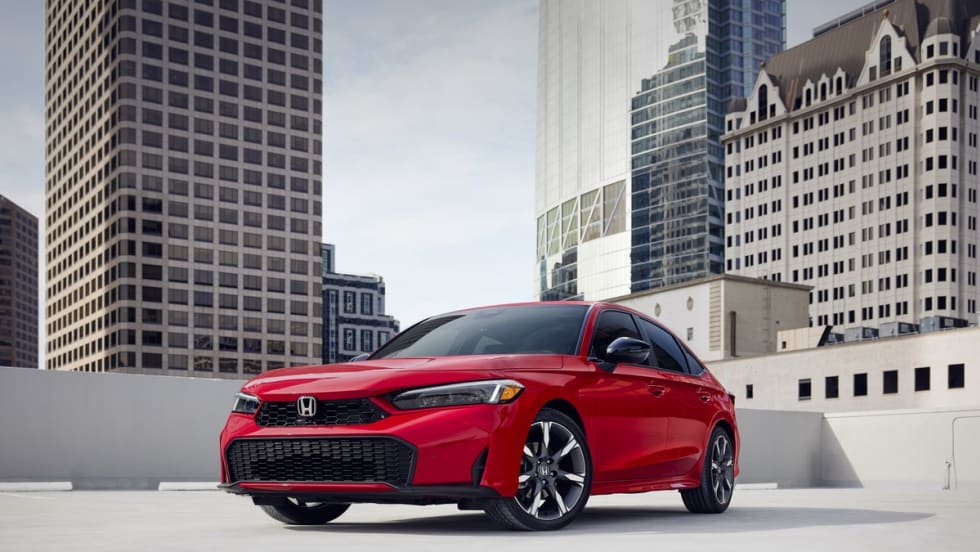
The Honda Civic is named the most reliable new car for the money at $27,768 with a predicted 13½ year life span, breaking down to $2,058 annually, or less than half the industry average.
Read More →
Could it be an early spring when it comes to used-vehicle sales? Black Book analysts think so based on recent weeks' auction activity.
Read More →
Auto consumers reported greater satisfaction last year despite higher prices and rising tariffs, due to an omnichannel approach blending online and in-person shopping, Cox Automotive research found.
Read More →
Purchases of new and used vehicles were down in December despite several positive market turns for consumers, whose optimism didn’t match their big-ticket spending.
Read More →
ATPs, asking prices stay elevated as affordable model sales languish and pricey ones flourish
Read More →
Midsize luxury and subcompact luxury crossover segment depreciation quickened last week amid overall declines.
Read More →
Still-pricey market nonetheless sees healthy volume
Read More →