



AAA says its research shows automatic emergency braking doesn’t work as it should.
The motor club federation conducted crash tests on the 2022 models of the Chevrolet Equinox LT, Ford Explorer XLT, Honda CR-V Touring and Toyota RAV4 LE.
 MENU
MENU SEARCH
AAA study finds technology chokes at higher speeds, moving vehicles in its path at intersections.
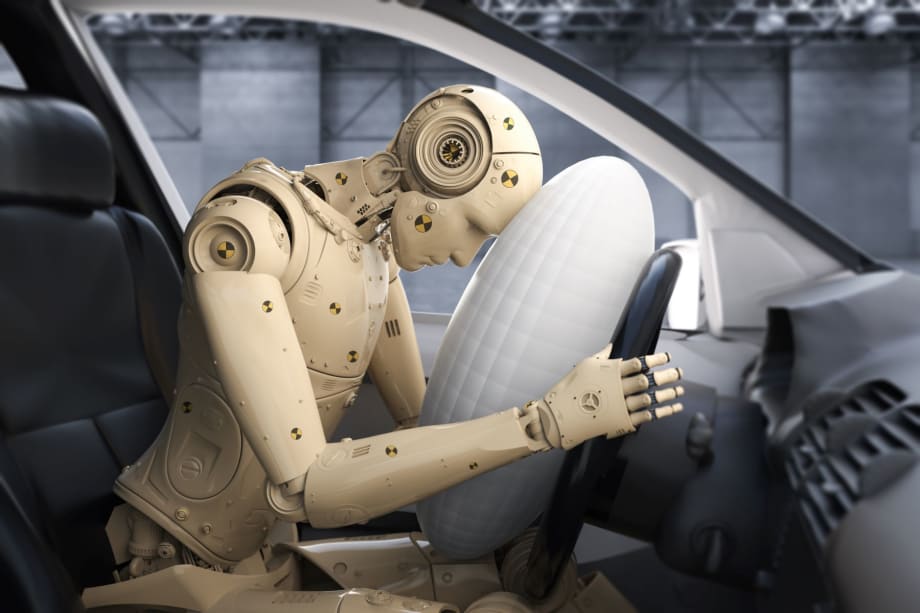
AAA says better design, test protocols needed.
IMAGE: Getty Images/PhonlamaiPhoto
AAA says its research shows automatic emergency braking doesn’t work as it should.
The motor club federation conducted crash tests on the 2022 models of the Chevrolet Equinox LT, Ford Explorer XLT, Honda CR-V Touring and Toyota RAV4 LE.
Though AAA says the crash-prevention technology of AEB has cut down on injuries and fatalities, its current generation doesn’t adequately handle higher speeds or detect moving vehicles in its path at intersections.
“Automatic Emergency Braking does well at tackling the limited task it was designed to do. Unfortunately, that task was drawn up years ago, and regulator’s slow-speed crash standards haven’t evolved,” said Greg Brannon, director of AAA’s automotive engineering and industry relations.
“Testing requirements for this technology, or any vehicle safety system for that matter, must be updated to handle faster, more realistic speeds and scenarios with the greatest safety benefit for drivers.”
AAA tested the technology’s performance on rear-end crashes against stationary vehicles at speeds of 30 miles per hour and 40 miles per hour, plus crashes against moving vehicles at intersections – T-bone and unprotected left-turn collisions. The AEB struggled at higher speeds and failed to detect moving vehicles in its path at intersections, AAA said.
At 30 mph, the technology prevented a rear-end collision for 17 of 20 tests runs. In tests resulting in a crash, the impact speed was reduced by 86%. At 40 mph, though, it prevented a rear-end crash in only six of 20 tests. For tests resulting in a crash, the impact speed was reduced by 62%.
In the T-bone and left-turn tests, crashes happened every time, as the technology failed to alert the driver and slow the vehicle’s speed, AAA reported.
AAA urged carmakers and regulators to zero in on AEB design and test protocols for the kinds of crashes that commonly involve injuries and fatalities.
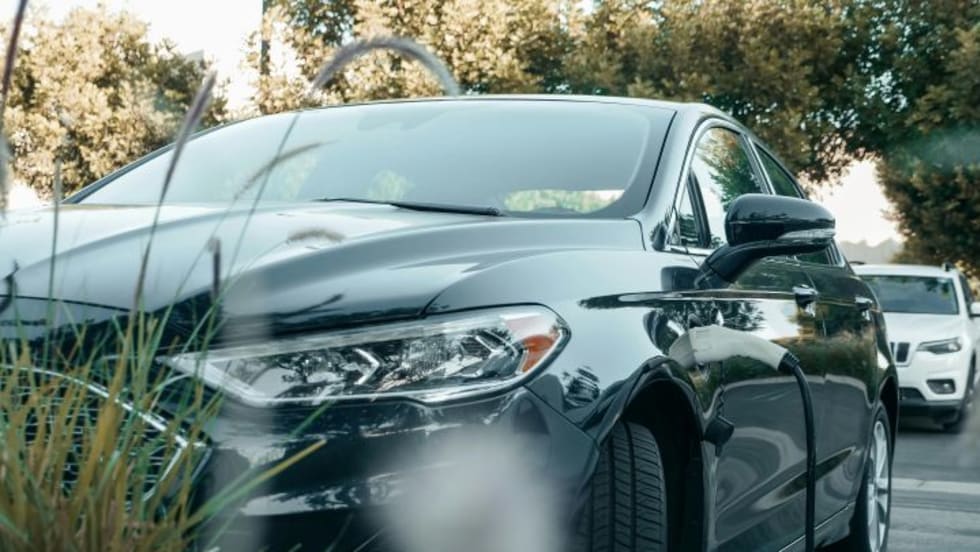
Study finds that adopters are true believers and that their satisfaction with the vehicles is growing, including for public charger experience, despite pullback of federal incentives.
Read More →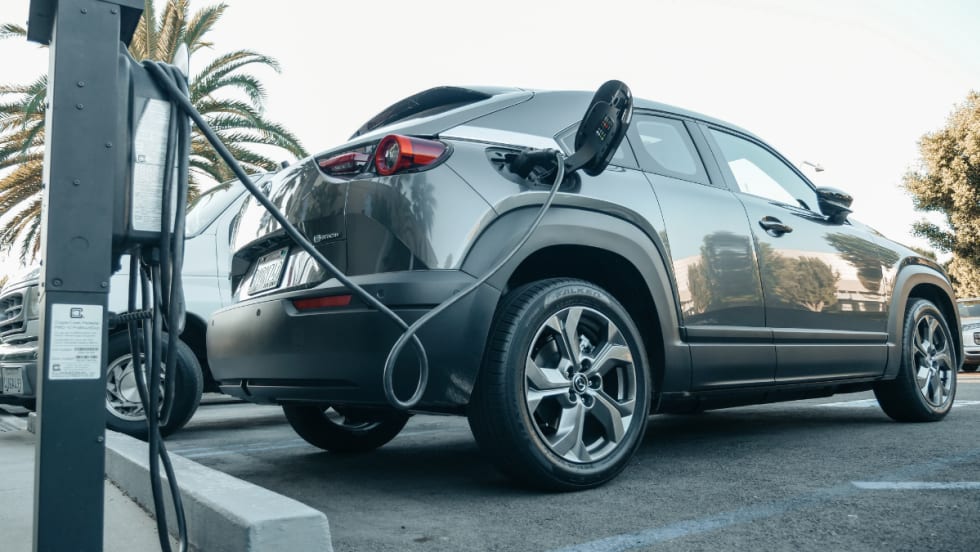
Electric-vehicle inventory dropped in December, according to S&P Global, but the hybrid market saw about a 19% year-over-year increase in supply despite being down from November.
Read More →
The year starts with declined expectations for economic conditions and plans to make big purchases. Used cars, though, are among the top big-ticket categories under consideration.
Read More →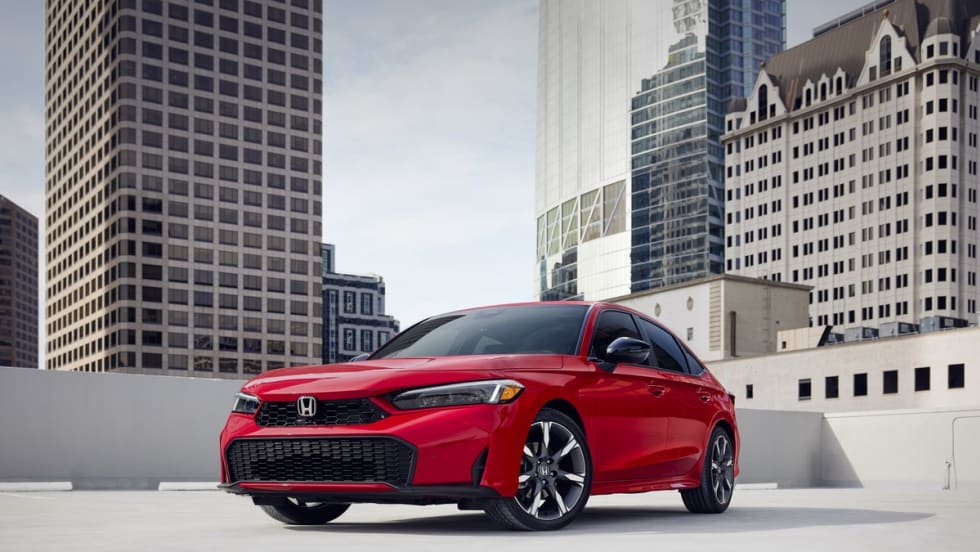
The Honda Civic is named the most reliable new car for the money at $27,768 with a predicted 13½ year life span, breaking down to $2,058 annually, or less than half the industry average.
Read More →
Could it be an early spring when it comes to used-vehicle sales? Black Book analysts think so based on recent weeks' auction activity.
Read More →
Auto consumers reported greater satisfaction last year despite higher prices and rising tariffs, due to an omnichannel approach blending online and in-person shopping, Cox Automotive research found.
Read More →
Purchases of new and used vehicles were down in December despite several positive market turns for consumers, whose optimism didn’t match their big-ticket spending.
Read More →
ATPs, asking prices stay elevated as affordable model sales languish and pricey ones flourish
Read More →
Midsize luxury and subcompact luxury crossover segment depreciation quickened last week amid overall declines.
Read More →
Still-pricey market nonetheless sees healthy volume
Read More →