



Automotive brands are having a harder time holding onto consumers, what with revived inventories and plentiful incentives, new data shows.
Reynolds and Reynolds’ annual retention and defection report put 2024 nationwide brand retention flat at 44%.
 MENU
MENU SEARCH
2024 saw loyalty erosion as consumers took advantage of better conditions on their end.
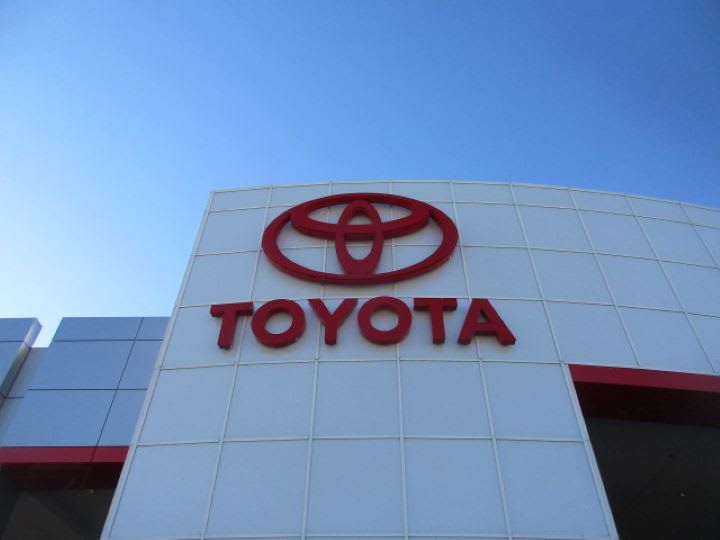
Toyota retained its retention rate crown last year as it turned the tide on a three-year decline.
Toyota
Automotive brands are having a harder time holding onto consumers, what with revived inventories and plentiful incentives, new data shows.
Reynolds and Reynolds’ annual retention and defection report put 2024 nationwide brand retention flat at 44%.
It found that 63% of the 38 brands it examined experienced year-over-year customer retention declines, half of those by more than three percentage points.
Just six auto brands enjoyed retention rates of more than 50%, Toyota repeating with the highest rate at 62%, a year-over-year increase after a three-year decline. It was followed by Ferrari at a 58% rate, and Toyota’s luxury brand Lexus at 56%. Honda and Lamborghini rounded out the top five at 54% and 52%, respectively.
Reynolds bases its findings on closed deals for new and used vehicles bought or leased at U.S. stores, including only deals with both the traded-in and acquired vehicle being brands it tracks. It made its calculations from stores using its dealer management system, assuming that the findings are representative of all U.S. vehicle consumers.
In the report’s first five-year analysis, Reynolds found that 14 brands improved their retention rates over 2020, the year the Covid pandemic began in the West, while five brands have seen declines since then. BMW, Lincoln and Mercedes are the only brands that have steadily increased retention over that time, Reynolds found.
Ford, Kia and multiple Stellantis brands have had an overall retention loss over the five years, while Chevrolet, GMC, Honda and Volkswagen have gained retention. Subaru, meanwhile, stopped a multiyear retention decline with a welcome boost.
The report also delves into conquest data. Download it here.
DIG DEEPER: The Key to Future Profitability is Service Retention

Over half of insurance holders ages 18 to 29 reported to be 'somewhat' likely to change providers in the next 90 days, according to CivicScience, which found that interest was lower among older age groups.
Read More →
Total visits to dealer websites from generative artificial intelligence platforms grew more than 15 times year-over-year, signaling a shift in how many consumers shop for cars online.
Read More →
In the U.S., Honda has the most efficient gas-electrified combo lineup while Tesla beats all automakers in annual EPA ranking as brands built their alternative-fuel offerings.
Read More →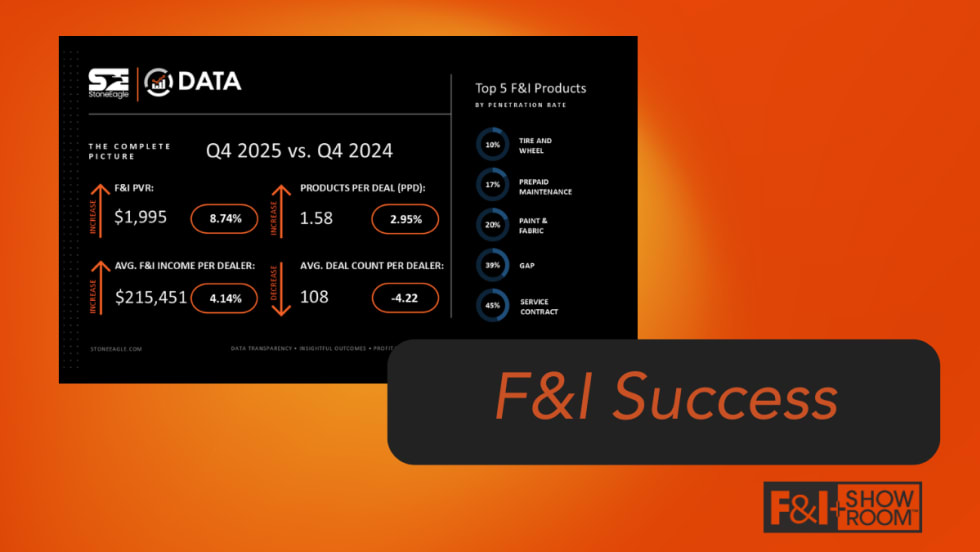
Deal volume ebbed and flowed throughout 2025, but product performance remained steady, according to automotive technology and data intelligence solutions provider StoneEagle.
Read More →
Americans’ view of present business conditions, the labor market and family finances, though, are still in the dumps, and if they plan to buy cars, many target used units.
Read More →
Auto loan originations rose over 6% year-over-year in the third quarter of 2025, but TransUnion predicts a slight decline in auto loan growth this year, making it an outlier in the company's overall lending forecast.
Read More →
A new top 10 list ranks the least expensive for average full insurance coverage on a clean driving record and high driver credit scores.
Read More →
Rob Mancuso – president of Mancuso Automotive – will present a Keynote at the 2026 event.
Read More →
2025 Sedgwick data indicate that the number of vehicles affected fell to its lowest point in more than a decade.
Read More →
Edmunds’ editorial team tested 300-plus vehicles to help determine the Top Rated Awards for 2026, and one brand stood out with multiple rankings, including Best of the Best.
Read More →