



Via The Detroit News
Aston Martin Lagonda Ltd. is overhauling the technology that will underly its hand-made vehicles for the next 15 years as the maker of sports cars featured in James Bond films defends its independence.
 MENU
MENU SEARCH
Via The Detroit News
Aston Martin Lagonda Ltd. is overhauling the technology that will underly its hand-made vehicles for the next 15 years as the maker of sports cars featured in James Bond films defends its independence.
While lacking the resources of larger rivals, “a buck travels farther with us,” Chief Financial Officer Hanno Kirner said at an event at Milbrook Proving Ground, about 50 miles north of London. “As of today, we are fully funded on our way to sustainable profitability.”
The company’s models, which are assembled by hand and therefore don’t require costly production equipment, sold for an average 126,000 pounds ($213,000) last year, up from 70,000 pounds in 2007, Kirner said. Because of the lower overhead, Aston Martin can introduce cars as much as 40 percent less expensively than competitors, he said.
Aston Martin, a rare ultra-luxury car brand that doesn’t belong to a larger manufacturing group, plans to spend 500 million pounds ($845 million) by 2017 to develop new models. While that’s the biggest investment program in the marque’s 101-year history, it pales in comparison to the firepower at the disposal of rivals, which can spend more money in as little as three months.
Small manufacturers “will have the biggest problems to survive independently, because they can’t afford innovations for the future,” Thomas Weber, development chief at Aston Martin’s investment partner Daimler AG, said. “Innovations require a lot of money and know-how.”
Keeping that edge is a challenge for Aston Martin as it vies for buyers of elite cars with the likes of Volkswagen AG’s Porsche and Bentley, Fiat SpA’s Maserati and Tata Motors Ltd.’s Jaguar.
Aston Martin cars require as long as 200 hours to make by hand, with each vehicle bearing the name of the final technician who worked it before it’s cleared for delivery. Of the 70,000 cars built in the manufacturer’s history, about 85 percent are still running. Models developed under the investment program would start coming out in 2016.
“They’ve been stretching the technology they have as far as possible,” said Al Bedwell, an analyst at LMC Automotive research company in Oxford, England. “They keep pushing variations of the same theme, but the theme has to move on. They risk being massively left behind.”
The lack of resources led Aston Martin to team up with Daimler’s Mercedes-Benz, which will be granted a holding of as much as 5 percent in the U.K. company as part of a cooperation agreement. The linkup includes Mercedes’s AMG performance unit supplying V8 engines for new Aston Martin models.

Over half of insurance holders ages 18 to 29 reported to be 'somewhat' likely to change providers in the next 90 days, according to CivicScience, which found that interest was lower among older age groups.
Read More →
Total visits to dealer websites from generative artificial intelligence platforms grew more than 15 times year-over-year, signaling a shift in how many consumers shop for cars online.
Read More →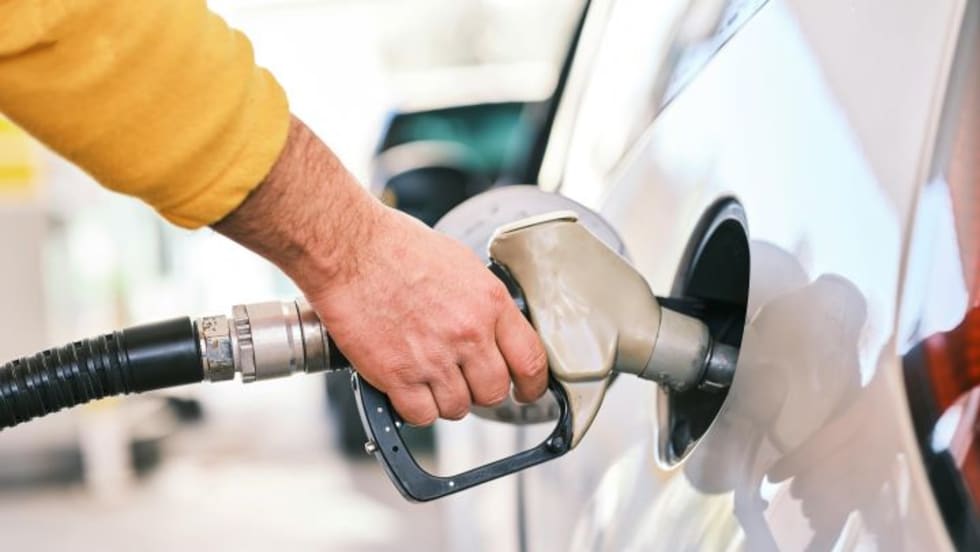
In the U.S., Honda has the most efficient gas-electrified combo lineup while Tesla beats all automakers in annual EPA ranking as brands built their alternative-fuel offerings.
Read More →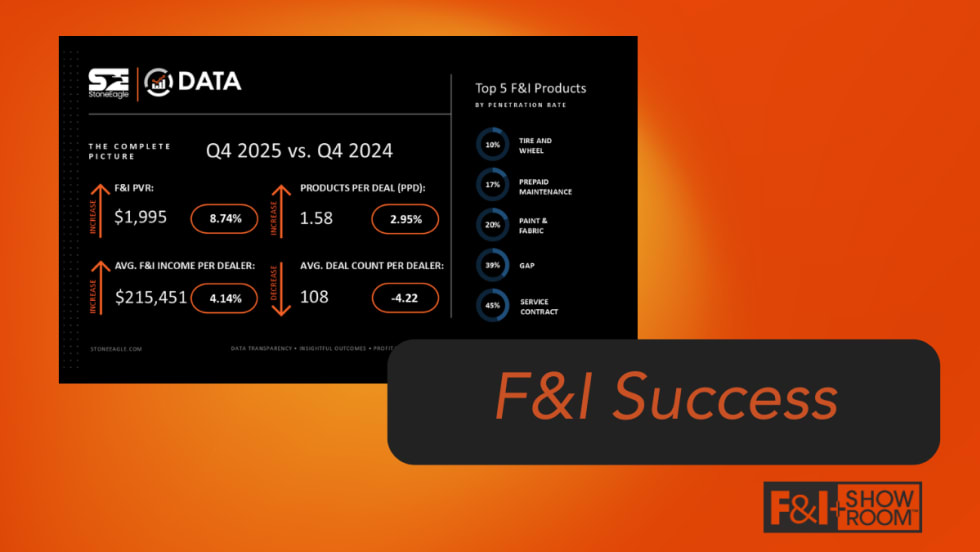
Deal volume ebbed and flowed throughout 2025, but product performance remained steady, according to automotive technology and data intelligence solutions provider StoneEagle.
Read More →
Americans’ view of present business conditions, the labor market and family finances, though, are still in the dumps, and if they plan to buy cars, many target used units.
Read More →
Auto loan originations rose over 6% year-over-year in the third quarter of 2025, but TransUnion predicts a slight decline in auto loan growth this year, making it an outlier in the company's overall lending forecast.
Read More →
A new top 10 list ranks the least expensive for average full insurance coverage on a clean driving record and high driver credit scores.
Read More →
Rob Mancuso – president of Mancuso Automotive – will present a Keynote at the 2026 event.
Read More →
2025 Sedgwick data indicate that the number of vehicles affected fell to its lowest point in more than a decade.
Read More →
Edmunds’ editorial team tested 300-plus vehicles to help determine the Top Rated Awards for 2026, and one brand stood out with multiple rankings, including Best of the Best.
Read More →