Automotive brand loyalty is taking some hits this year, another market watcher has observed.
J.D. Power’s research, based on vehicle sale data from September 2024 through last month, determined an average 49% loyalty rate among all brands and segments, down from 51% last year.
That’s the same percentage dip S&P Global Mobility recently calculated but a slightly lower end point than S&P’s 51% estimated loyalty rate.
Both industry analysts cited shifting inventories as a factor in lower loyalty, J.D. Power pointing out increased model supply. It also factored in more incentives and varied product ages for higher levels of brand-hopping.
Whatever individual consumers’ reasons for switching brands have been, those automakers with sterling reputations are doing the best job of keeping customers in their folds, even in a market buffeted by U.S. trade tariffs, J.D. Power found.
Not surprisingly then, the world’s top-selling auto brand, Toyota, held onto the biggest percentage of mass-market car consumers for the fourth straight year, according to the research, with a 62% loyalty rate.
“Brand loyalty matters to vehicle buyers because it’s often associated with higher residual values, making vehicles from trusted brands a more financially sound choice over time,” said J.D. Power Senior Vice President of Data and Analytics Tyson Jominy in its report.
Loyalty starts to erode when consumers move to different vehicle segments, Jominy said.
J.D. power based its findings on the percentage of auto owners sticking with the same brands when trading in or buying from franchised dealers.
Other loyalty rate winners by segment are:
Honda - 62% among mass-market SUV consumers for a second year
Lexus – 57% among luxury SUV consumers for second year
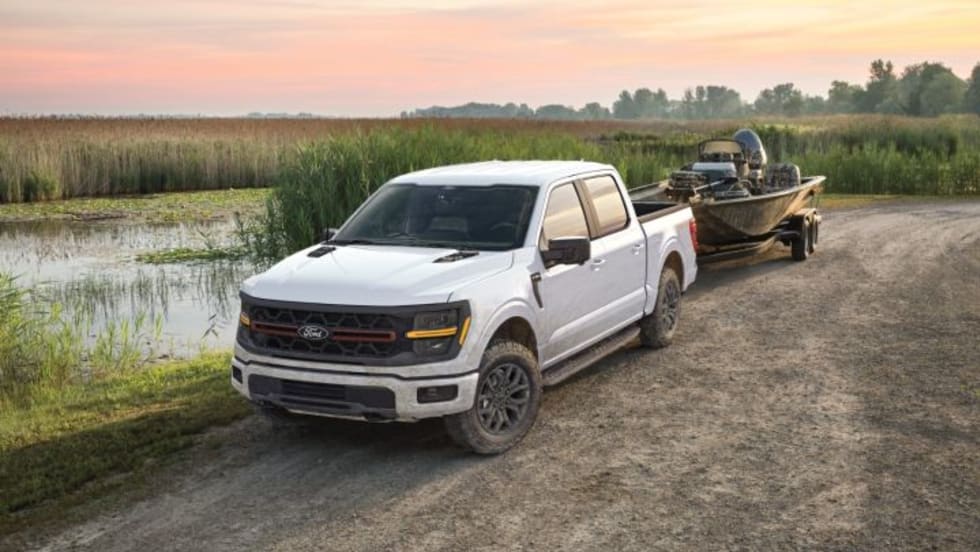
Ford – 67% among pickup consumers for fourth straight year – the highest rate in the study, followed by Toyota at 61%
Porsche – 58% among luxury car consumers for fourth straight year at 58%
DIG DEEPER: Solving Affordability and Negative Equity Challenges