New-model emergency braking dramatically improves accident-prevention to the point of perfection, according to new AAA research.
The nonprofit motor club federation known for auto insurance offerings tested 2024 vehicle models’ automatic emergency braking, finding they prevented all forward crashes at speeds of 35 mph and slower.
The striking finding contrasts sharply with testing of 2017 and 2018 models’ AEB systems, which AAA says prevented front crashes in just 51% of tests.
It’s been 10 years since AAA conducted its first AEB systems, and the latest results show marked improvement, said Greg Brannon, who directs its automotive engineering research. Nevertheless, he said there’s much room for improvement for the systems to work effectively at higher speeds.
“This improvement in AEB technology is a promising development that significantly reduces the risk of collisions on the road. As car manufacturers continue to enhance these systems, can the public expect even higher levels of safety and reliability?” AAA said in a press release on the study results.
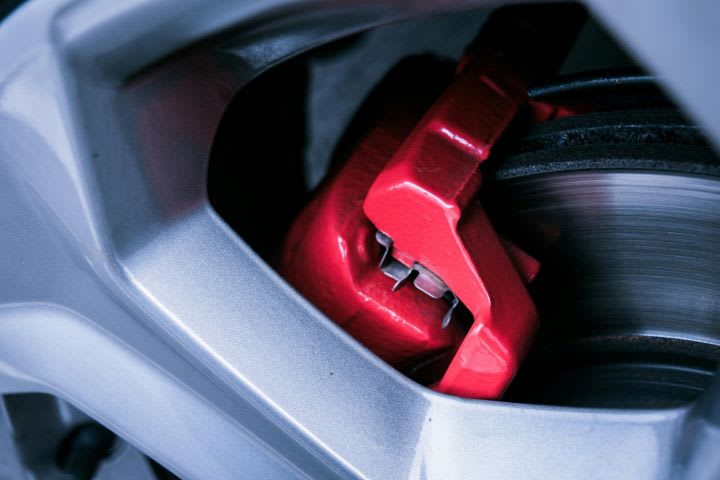
AEB systems employ cameras and sensors to detect impending collisions so the vehicle will automatically apply its brakes to avoid them. Though most late-model vehicles come with AEB, it will be required by 2029 to comply with a federal standard set this year.
AAA worked with the Automobile Club of Southern California to perform the AEB research on older and new vehicles of the same makes and models for comparison purposes.