Auto consumers are still wary of autonomous vehicles, preferring semiautonomous features despite technology advancements, a recent survey found.
S&P Global polled about 8,000 consumers in eight countries, including the U.S., who are in the market to buy new vehicles. It found a slight increase in willingness to ride in and buy a self-driving vehicle, from 45% last year and 43% in 2023 to 47% today. About two-thirds said they’d be interested in using autonomous features on highways.
Correspondingly, fewer respondents said they’d ride in such a vehicle but not buy one – 32% compared to 34% last year – and those who would neither ride in nor buy one fell from 21% last year to 20%.
Crashes of autonomous vehicles are a major adoption obstacle, among other issues, the S&P report pointed out.
“The lack of transparency about how [artificial intelligence] systems make decisions further adds to the discomfort,” the report says. “Additionally, consumers are concerned about how autonomous vehicles will prioritize lives in unavoidable crash scenarios. Liability in accidents remains unclear; who’s at fault —the carmaker, software developer, or vehicle owner?”
Because of the liability involved in what the Society of Automotive Engineers classifies as level 3, which allows the human driver to take hands off the wheel and eyes off the road, many automakers have focused on Level 2 offerings, such as Tesla’s Autopilot, S&P said.
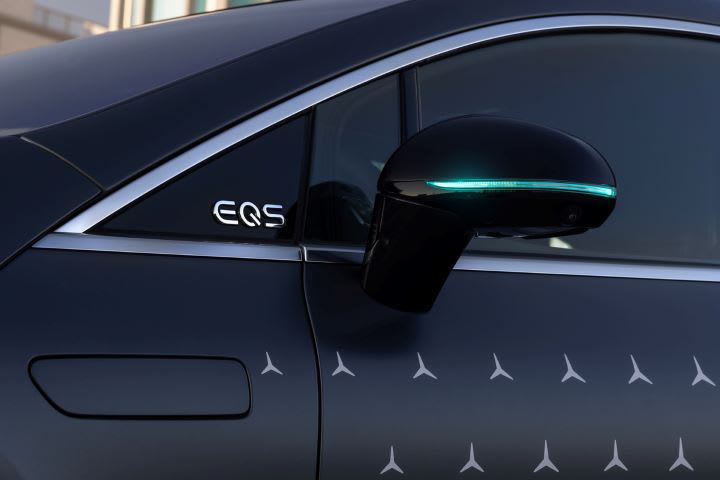
Mercedes has offered level 3 automation in limited circumstances in parts of Germany since 2022 and has expanded it to parts of the U.S.
Consumers are willing to pay extra for autonomous features, the survey found, particularly fully automatic parking, and for vehicles rated as safer. Nearly half of respondents said they believe models with higher safety ratings would be safer, and a majority said they would also drive more efficiently, the latter presenting opportunity to “capture even more consumer interest,” S&P said.
“To shift perception, consumers need more real-world exposure, transparent communication, and consistent safety records,” the survey report indicates.
LEARN MORE: Toyota Tops in Patents