I spent much of my time prosecuting Florida dealers during my tenure working for the Florida attorney general’s office. For various reasons, I became the point of contact for the entire state, and almost all complaints came to me.
If I met any Florida dealer and hadn’t heard of that dealership, I would always remark that they must be doing something right since I wasn’t familiar with their organization. Dealers shouldn’t be noticed for the wrong reasons by potential prosecutors.
As an aside, I left the attorney general’s office many years ago, but only relatively recently I was contacted by my old office because a registered package was received there with my name as the head of the “Car Complaint Office.” Evidently, I was still remembered for that purpose.
Dealers and the Notion of Compliance
Dealers have an uneasy relationship with compliance due to certain dealer practices, for whatever reason being cited as unethical, or worse, illegal. It’s worth recalling the sage advice of Mark Twain: “Honesty is the best policy – when there is money in it.” To paraphrase Twain, compliance is the best policy if it leads to more profit.
Why People Buy
Consumers become buyers when triggered by underlying factors, including necessity, price, convenience, fear, security, others’ recommendations, obligation, the attractiveness of the product or service, and the wish to be accepted by others.
Why People Don’t Buy
On the other hand, consumers don’t buy due to lack of need, desire or money. In addition, they don’t buy anything if they don’t trust the merchant of that product. It’s that last concern of consumers, trust, which dealers need to surmount through compliance efforts and communicating those efforts to customers. Dealers should be shouting these efforts from every quarter.
The Great Obstacle – Gallup Survey of Trusted Professions
Every year since 2000, car salesmen have stayed at a 7% trust rating, placing them 22nd of 23 posted professions on the Gallup 2024 list. Only lobbyists are lower in trust than car salespeople. However, auto mechanics experienced improved ratings from 2000 to 2024, rising from 24% to 33%, proving that increasing trust can be done.
Compliance as a Tool
Distrust and fear can be redressed by dealers who call attention to their compliance and ethical efforts with customers. Communications, education, on-site signs, and documentation can assure consumers that the dealership is aware of its legal obligations and honesty.
Dealers should be committed to having a sound compliance stratagem with a drafted program documenting routine training; employee handbook descriptions of employee conduct with discipline; payment plans not encouraging noncompliance; and a compliance-management system. Written declarations of a dealer’s compliance program should be manifested.
Training
Every dealer should employ third-party training, with designations by organizations such as ACE, AFIP, ADCO and others that are prominently posted.
Code of Ethics
All dealers should formally adopt and post for all customers to see such a code offered by a dealer association, such as NADA.
Customer Contact Program
Dealers should encourage customers to contact the store with any questions, concerns or complaints. This program would include a formal complaint-management system. Texts, telephone calls, e-mail, letters and all forms of electronic communication should be welcomed with the promise that these consumer entreaties will be rectified.
Dealers should have an ombudsman: the compliance officer. This person, along with other responsibilities, resolves customer concerns and complaints, maintaining a complete dossier.
Communicating Efforts Is the Central Tool
All these efforts should be conveyed to the public in innumerable ways, including signage throughout the store, on business cards, advertising, through texts, telephone calls, e-mail, stationery, and any other effective form of communication at your disposal. Dealer organizations should be encouraged to broadcast public service announcements about the efforts. Dealer personnel should verbally share this information routinely with customers, who should never leave the store without noting the dealer’s commitment to ethics and compliance.
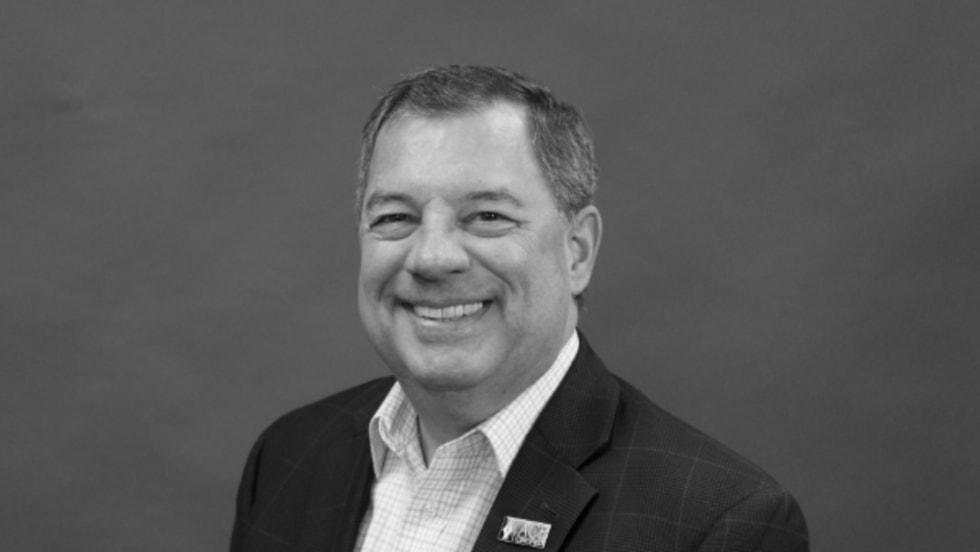
Terry O’Loughlin is director of compliance for Reynolds and Reynolds and is admitted to the Pennsylvania and Florida bars. Before joining Reynolds, he was employed by the Florida Office of the Attorney General, where he investigated automobile dealers and financing sources. He previously was a public accountant.