



What’s wrong with this picture?
That’s easy to spot – this person’s sales are stuck at an average of 12 units each month from too many bad months.
 MENU
MENU SEARCH
What’s wrong with this picture?
That’s easy to spot – this person’s sales are stuck at an average of 12 units each month from too many bad months.
They can definitely sell more. In fact, in their three best months with sales of of 15, 16 and 15 (totaling 46) they sold 35% more than in their four worst months with sales of of 8, 9, 8 and 9 (34).
The Problem With Growing
In the example above, we’ve all heard this salesperson boast at the beginning of the monthly goal setting meeting, “I can hit 20 this month.” Sure it can be done, but hitting 20 is 30% more than their best three month average. So one of two things usually happens...
1. They put in double shifts and either come close or hit their goal. Congrats!
Sounds great except for that little issue of being exhausted. Wearing yourself out on hours usually means that a record 20-unit month is usually followed by a pretty bad eight or nine unit month. In real life, if this salesperson just worked smarter in both months instead of longer, they’d easily sell a couple of units above their 12-unit average both months and end up with the same 28 or 29 units.
2. 80% of the time, they don’t come close to 20 and then they blame anyone and anything.
You don’t need to try to break records every month to improve your sales year after year. How can that be? Easy, the secret is just learning to...
Manage your sales from the bottom up, not from the top up.
What do I mean? Slow down and look at the chart again. This person only had four months that fell below their 12-unit average. But those four bad months wiped out the benefit of their three best months.
But don’t you need record months, too? Yes, but you’ll always have higher and lower months than your average. So when you raise your average from the bottom up, you’ll also end up having better months on the high end, too.
Instead of focusing on having a 20-unit month, what happens to the average for this salesperson if they just focused on eliminating their below average months?
Even if their best months never got better, if this salesperson just eliminated months below that 12-unit average, their average would go up to 13.2. Not from working longer, not from working harder, and not from having a record month or two, just by working smarter.
And 13.2 is 14 more units over the next 12 months. At $300 per unit (not counting bonuses) that’s an extra $4,200, from better managing their bad months.
Learn to control your bad times and your good times will improve, too. This month, think about some of the changes you can make to turn this year into a record year for you.

There are tried and true ways to instill it while also protecting your agency from competitors and other roadblocks.
Read More →
February forecast has new-vehicle deliveries still off from last year at this time amid high prices and vanished EV incentives. But J.D. Power sees business picking up from here as automakers target growth.
Read More →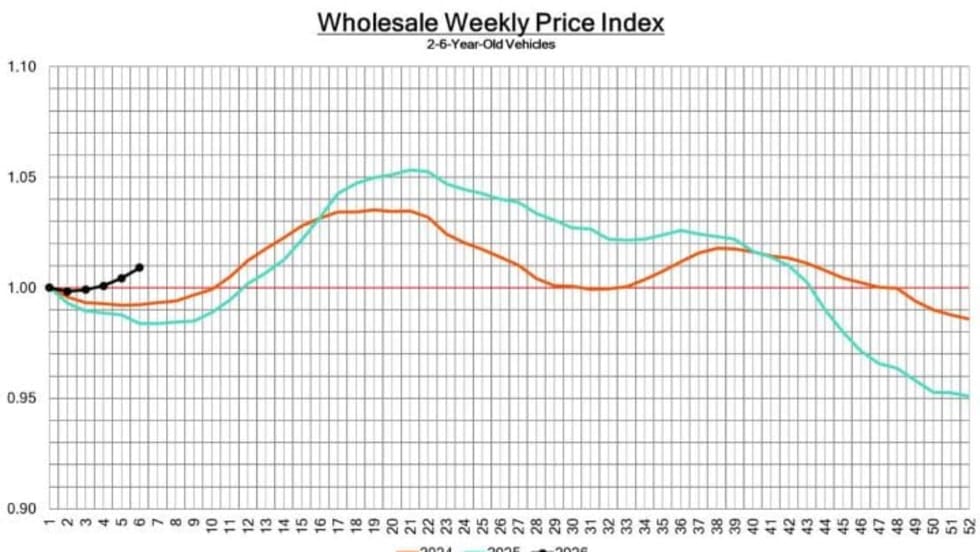
Many vehicle segments experienced gains last week as conversions picked up. Meanwhile, the retail days to turn estimate stood at 39, analysts reported.
Read More →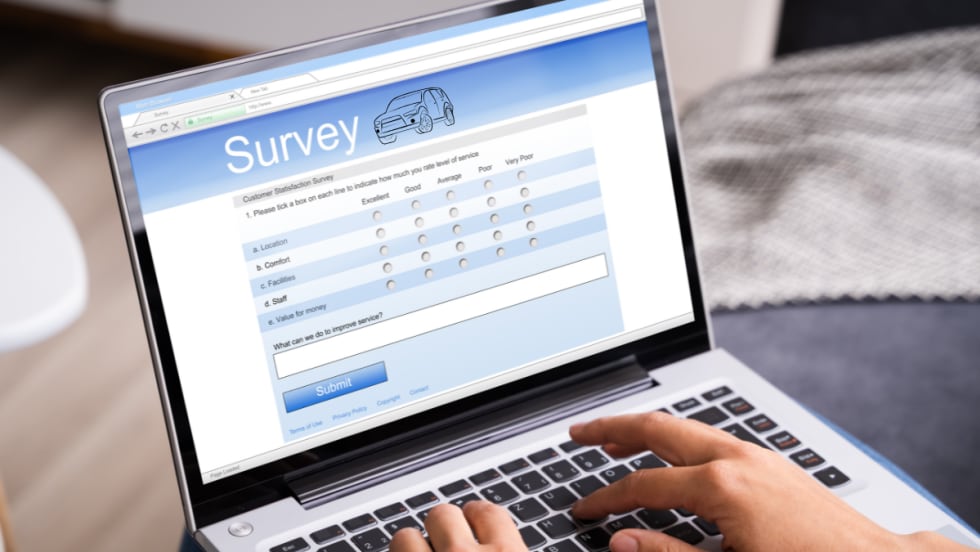
Over half of prospective car buyers responding to a TransUnion survey expressed intent to purchase a gas-powered vehicle this year.
Read More →
The year starts with declined expectations for economic conditions and plans to make big purchases. Used cars, though, are among the top big-ticket categories under consideration.
Read More →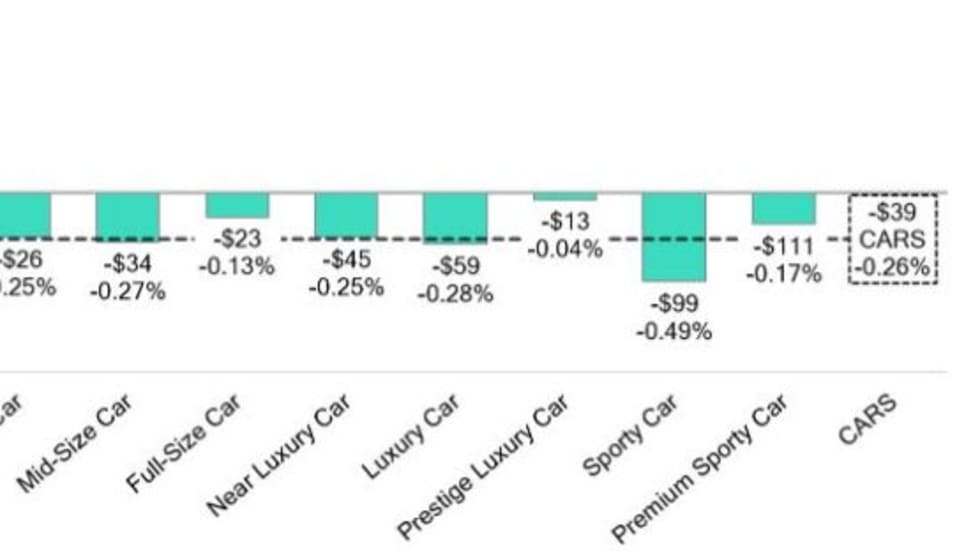
Some automotive segments actually improved last week in a bright midwinter sign that could signal a healthy spring season.
Read More →
The month is set to be off last year, J.D. Power predicts, though its full-year outlook is less gloomy, and dealer profits are up despite the odds.
Read More →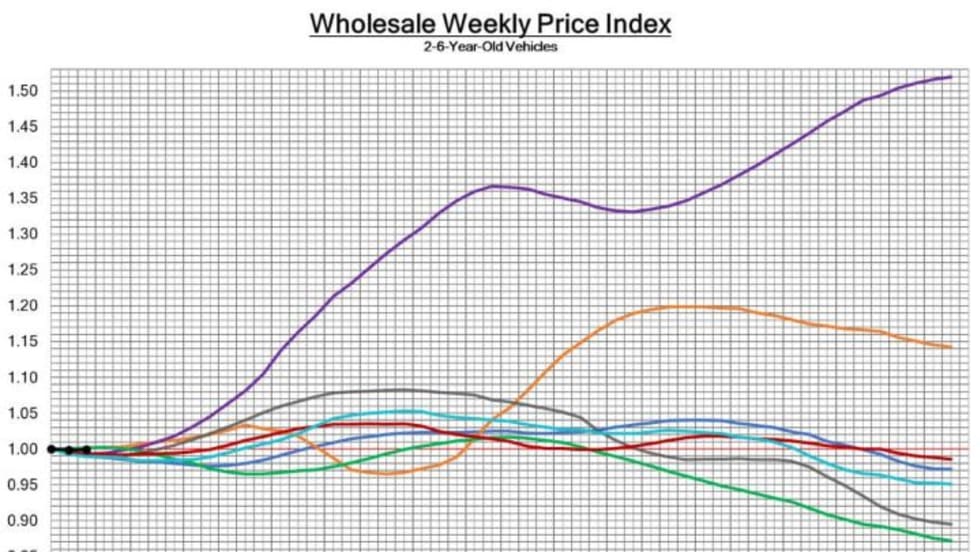
Could it be an early spring when it comes to used-vehicle sales? Black Book analysts think so based on recent weeks' auction activity.
Read More →
Auto consumers reported greater satisfaction last year despite higher prices and rising tariffs, due to an omnichannel approach blending online and in-person shopping, Cox Automotive research found.
Read More →
Purchases of new and used vehicles were down in December despite several positive market turns for consumers, whose optimism didn’t match their big-ticket spending.
Read More →