


Electric vehicles (EVs) aren’t new ... in fact, they’re more than 130 years old. What is new is consumer interest, which didn’t emerge until Toyota released the Prius in 1997.
Leveraging powerful data insights is crucial.
 MENU
MENU SEARCH
Electric vehicles aren’t new. What is new, is consumer interest.
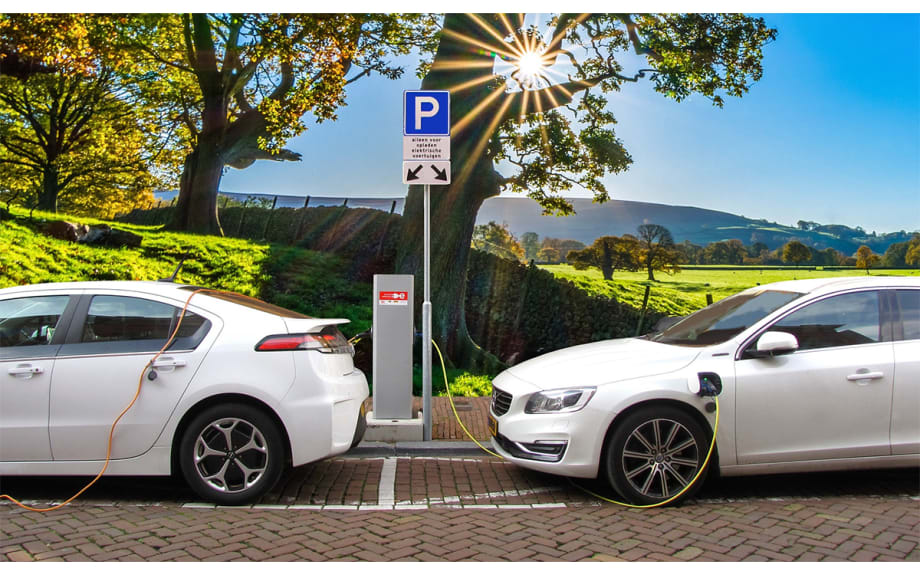
Electric vehicles aren’t new ... What is new, is consumer interest.
Image by (Joenomias) Menno de Jong from Pixabay
Electric vehicles (EVs) aren’t new ... in fact, they’re more than 130 years old. What is new is consumer interest, which didn’t emerge until Toyota released the Prius in 1997.
Leveraging powerful data insights is crucial.
That consumer interest continues to grow to this day, due to a number of factors:
Improved aesthetics
Increased environmental concerns
Expanded models and classes
Lower price points
However, these aren’t the only factors driving expanded consumer interest. Here are three additional reasons more and more consumers are thinking about buying an electric vehicle.
Reason #1: COVID-19 and Changing Consumer Preference
At Zeta, we’re seeing an overall increase in website traffic to electric models, as well as growing consumer intent for Electric Vehicles. Additionally, traffic to websites promoting Hybrid Vehicles is up 30% since the beginning of April. Overall visitation to dealerships is recovering, though it’s not where it was pre-COVID-19.
Zeta’s weekly visitor index shows an average increase in foot traffic of 40% to dealers of EVs and Hybrids since May. Examined against foot traffic from April, it becomes clear that consumer interest is growing at a higher rate than interest in other classes of vehicles.

Intended EV vehicle purchases delayed during the Spring of 2020 due to COVID-19 is creating a bubble of pent-up demand amongst consumers. This demand is made greater by fears surrounding the use of public transit and ride-sharing services.
Another factor? The impact of coronavirus on air travel (lack of social distancing, reduced routes, etc.) is helping to spur consumer interest in both EVs and Hybrids as a gateway to vacationing for months and years to come.
Reason #2: Government Incentives
Across the globe, governments are increasing their regulations on internal-combustion vehicles, while simultaneously upping the incentives for purchasing zero-emission, electric vehicles.
Within the European Union in particular, stricter regulations on vehicle-related emissions (in pursuit of the Paris Climate Accords) are playing a critical role in spurring consumer interest in EVs. The impact has been so great that Zeta is seeing a 50% year-over-year increase in EV-related sales across the 27-member state.
Growth Factor #3: Oil Prices and Improved Driving Range
The price of oil also drives differing demand globally. The price to fuel a car in Europe is extremely expensive compared to North America. In the UK, for example, a liter of petrol costs £1.30—in the US that would mean paying over $6 per gallon.
While gas prices declined in March and April, they’re back on their way up, and as the cost of fuel rises, so too does the global demand for electric vehicles.
In particular, increased EV driving range and availability of “power stations” spearheaded by the Tesla brand is very clearly enticing consumers to dump the notion of “fueling up” and adopt the notion of “plugging in.”
How Manufacturers Can Help Power EV Adoption
A report from Allied Market Research projects revenues stating that the global electric vehicle market was valued at $162.34 billion in 2019, and is projected to reach $802.81 billion by 2027. So how can you take advantage as an auto marketer?
For one, leveraging powerful data insights is crucial. The customer journey in automotive entails multiple touch points over an extended time frame. Linking the customer identities and touchpoints through identity management using a single real-time portal makes omnichannel personalization possible.
Rachel Pierson is vice president and global director of strategic accounts at Zeta.
Read: Dealership Data: The Appeal of Used Versus New Deals This Summer

Empowering the F&I office through data is central to the company’s reimagined solutions it's scheduled to debut soon.
Read More →
The quickest way to turn a breach into a crisis is to wing it. Follow this seven-step playbook to ensure you meet your obligations.
Read More →
Consumers say they’re using the tech, but many still end up at dealerships to seal the deal.
Read More →
Study finds recognition of its usefulness, but franchisers are treading sometimes confusing waters carefully
Read More →
Hackers, seeing auto retail vulnerabilities in 2024 CDK incident, are taking advantage, data show.
Read More →
Despite a major 2024 cyberattack in the industry, many are still vulnerable.
Read More →
Survey shows many don’t pass muster with efficiency-minded shoppers.
Read More →
Autotrader finds dealers miss key sales, waste ad budgets.
Read More →
Cox study shows significant shift in post-pandemic years but still says there’s no one right way.
Read More →
Steps that many auto dealers haven’t yet taken boost data security and compliance while building consumer trust.
Read More →