

Rod Tobiason, Principal
Can you give me a bit of your company history? How did you become involved in the smart payment category?
 MENU
MENU SEARCH
Rod Tobiason, Principal
Can you give me a bit of your company history? How did you become involved in the smart payment category?
We have been servicing customers primarily in the car industry for over a decade. We help customers budget by matching a smaller payment to their payday in order to pay off their loan 5 to 8 months sooner, and build equity faster. We help both the customer and the dealership.
The executives prior to SMART Payment Plan successfully ran a financial company helping customers in financial hardship.
What makes your product different from others on the market? How do you differentiate it?
Other payment services have a platform for only debiting customers payments bi-weekly, and they need to start on one particular date regardless of how they get paid or when they get paid. Our service allows the customer to choose a cycle weekly, twice a month or every two weeks based on how the customer gets paid. We also have multiple start dates for them to choose from. We differentiate our service by matching a smaller payment to paydays.
What is your primary sales channel? How do you market to that channel?
Our primary sales channel is the automobile dealerships. Our experienced employees called SMART reps are consulting with them and supporting them.
What are the biggest advantages to this type of payment plan? What would you say the disadvantages are?
The biggest advantages to this type of payment plan for the customer is the convenience, ease of budgeting and paying their loan off faster. For the dealerships, the advantages are customer retention, closing more deals and using our service to sell more products. We don’t believe there is a disadvantage.
In your opinion, where is the greatest growth potential for the smart payment category?
The greatest growth potential is in both the independent dealerships and franchise dealerships.
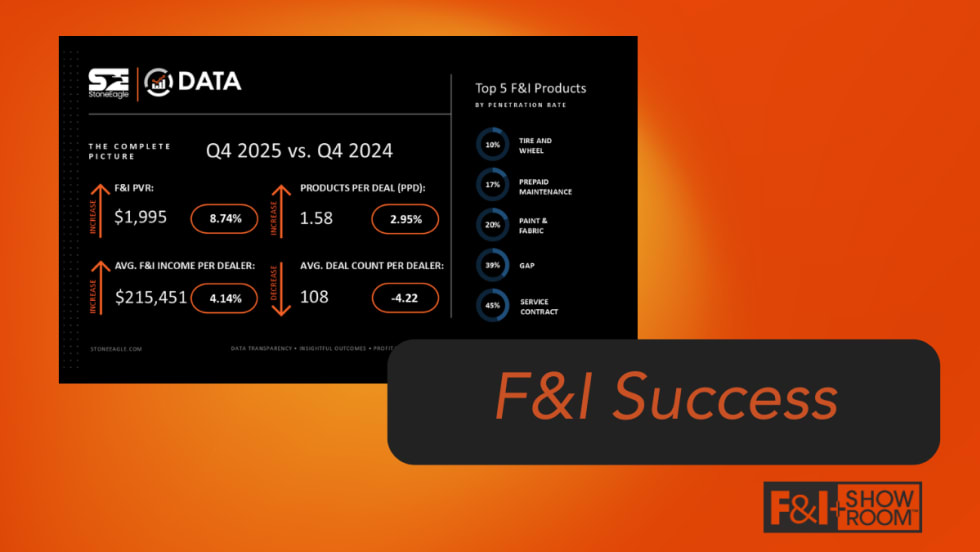
Deal volume ebbed and flowed throughout 2025, but product performance remained steady, according to automotive technology and data intelligence solutions provider StoneEagle.
Read More →
The strategic combination is intended to expand technology-driven compliance solutions for the automotive industry.
Read More →
2025 brought consumers relief after years of rate hikes, but 2026 could bring renewed policy pain, depending on how U.S. trade policy affects prices.
Read More →
Empowering the F&I office through data is central to the company’s reimagined solutions it's scheduled to debut soon.
Read More →
The most common artificial intelligence applications in automotive retail include customer communications, scheduling, reporting, marketing content and handling of online leads.
Read More →
More OEMs and U.S. auto parts makers joined the global initiative to leverage open-source software development for greater efficiencies and vehicle innovations.
Read More →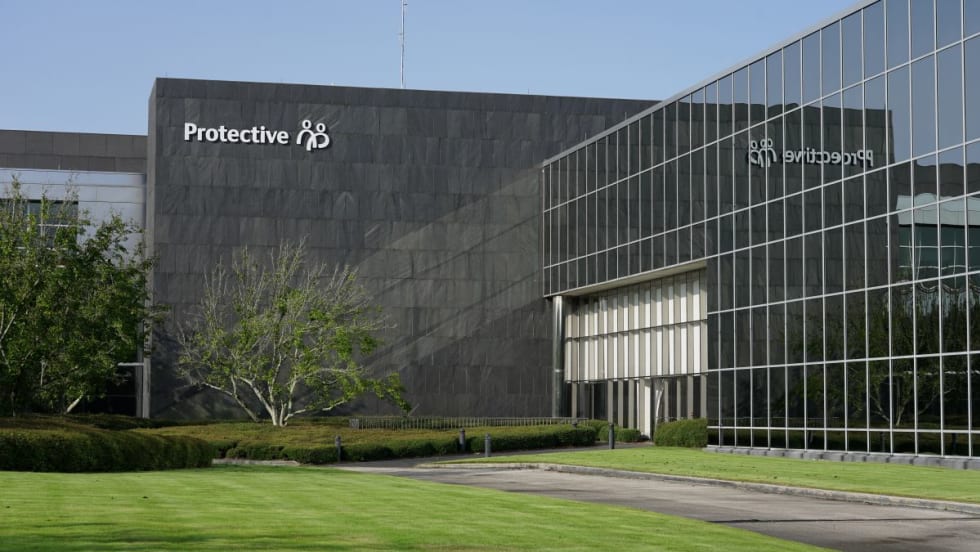
Protective Life Corp. closed its acquisition of F&I company Portfolio Holding Inc., expanding its Asset Protection Division across the automotive, RV, power sports and marine sectors.
Read More →
Frost & Sullivan expects a $238 billion market opportunity for the technology in automobiles by 2030 as AI applications shift to more mass-market applications.
Read More →
The quickest way to turn a breach into a crisis is to wing it. Follow this seven-step playbook to ensure you meet your obligations.
Read More →
Personalized messaging is increasing appointment conversions by 26%, Cox Automotive says.
Read More →